Recently I just witnessed something on a TV show that reminded me of one of the most important series of lessons I’ve learned over the past decade, and I think it’s a great opportunity to highlight those difficult lessons on this blog. The TV show involved a bar owner who was running his bar with a bunch of his friends… and it was failing because they were too busy having fun together as opposed to running an effective bar. Then he had to make a few tough decisions…and it went downhill from there in a flash. It was like watching a train wreck in slow motion. I figured that by writing this post I might save a few of you a lot of the tough lessons that I had to learn first hand (a.k.a. the HARD way) over the past decade, as I went from being a freelance photographer, to running a commercial photography business and eventually to managing people on small, to large sets as a DP and eventually a Director and Producer.
So here we go…
As you move into the world of managing others, of being a "department head" a "boss" or God-forbid a "leader" you realize that those titles come with a certain amount of responsibility (naturally) but also with one unwelcome caveat: when you are in charge of a group or an employee, making the right decisions takes priority over being their friend.
That sounds harsh doesn’t it?
But truth be told, making the right decisions – and often the tough ones that may not be pleasant – will benefit everyone in the long term. The problem is that you only tend to learn that lesson over time and with the perspective you gain following tough failures…
This is an especially difficult lesson, if you started off as friends prior to the relationship evolving into a employer/employee relationship.
But once this happens, the nature of the relationship changes – and things are different for as long as that dynamic exists – like it or not.
For the employer/employee relationship to work for BOTH parties, the correct dynamic needs be set from the start. The employer hands out specific tasks and the employee executes them with their expertise. It’s pretty straightforward – and not an ego thing. If egos enter the picture, and if that dynamic is challenged by either party, things will break down at lightning speed.
There needs to be respect for the above fact – and mutual respect between both parties.
Why is this necessary? Well once respect is lost in a relationship, it’s almost IMPOSSIBLE to regain. That’s another tough lesson. Just as it takes years to establish a good reputation, one isolated incident can destroy it in seconds. Same goes for respect & credibility in any relationship. Building a damaged reputation back up takes a tremendous amount of work – and it can actually be impossible to do in certain circumstances.
Respect is earned, not something you demand – another key thing to discuss in another post. But the start of any professional relationship should start with a base level of respect in both directions, with a clear understanding of the employer/employee dynamic.
Always keep in mind that "we’re all in this together" but that every group needs to have someone set clear goals, and to help keep everyone on target. And being that person, the "leader", is something a lot of people want – until they actually get their wish and see what comes with it. I’ve in fact seen quite a few people decide never to lead again once they’ve been given the opportunity to do so.
Here are a three key lessons I’ve learned over the years:
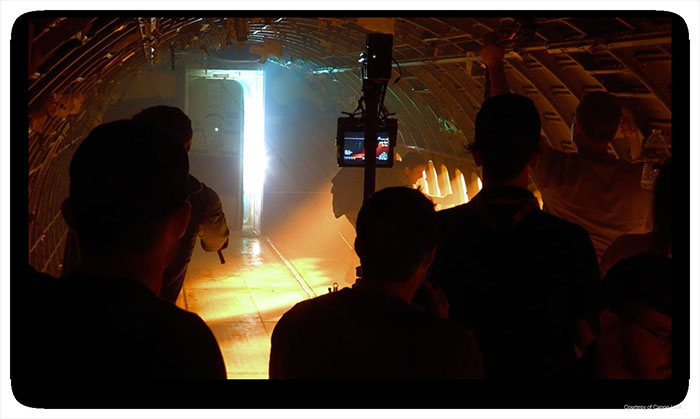
Early on in my freelance photography career (after more than a decade working solo, or as a staff photographer (i.e. employee) I often had one full time employee and several freelance employees or assistants working with me. The truth is that I always picked people that I liked – as one should – and that they were almost always very qualified. A few of them were OVER qualified for the jobs in fact, which actually requires you to be extremely vigilant about how you manage the relationship, because both parties are aware of that fact, and the dynamic of the boss/employee relationship can be very delicate.
In my early 30’s I wanted to work hard during the day, and when the job was done to let loose. One thing that I would routinely do was to play XBox games with employees, who were in fact: my friends. That was a fatal "management" mistake. The game playing in itself wasn’t the best idea (even though it was happening after the work day had ended, and out of the office), but the fact that the game invited trash talking and the need to humiliate the other player as often as possible was a recipe for disaster 😉
None of this is a problem with good friends – we dish it out and take it. The problem is that once the game is done, it has eroded certain aspects of the relationship. If both parties can go back to how it was prior to playing those games or activities together when they are on set the next day: great. But the reality is that most people can’t. And things can truly start to break down when they bring the type of "one-upmanship" or "challenge" relationship to the set, or worse: in front of clients.
It can be a mortal mistake both to the job and ultimately the professional relationship.
Having an employee talk back to you – even in a very playful way – in front of a client can break down the mood of a shoot. Suddenly you’ll find yourself as a "boss" trying to keep that person in check, or worse trying to mend your bruised ego. All you should be focused on on the set is on the job at hand: not managing relationships amongst the crew.
If you are challenged on set as a "boss" what is the worse thing you can do? Well: You can dish it back to the employee, as you naturally did on the Xbox game… The problem: you now look like a jerk, because dishing any negative or derisive comments within a boss/employee relationships reflects terribly on you as a manager.
And all of this started because you wanted to be their friend! You wanted to make them a "happier" employee in a "loose" environment. And all you’ve accomplished is created a work environment filled with stress.
This can truly come to a head when something goes wrong and you have to make things right, especially when you need to ask that person to do something that is difficult: either a tough job, longer hours, or an unpleasant task. It suddenly can become personal as opposed to being a simple request that "needs to get done" for the sake of the job or the business.
Then comes the feeling of guilt that you get as a boss. It’s tough to go from being a friend playing video games, to asking your friend to do an unpleasant task.
Read the rest of this entry »